Summer 2025
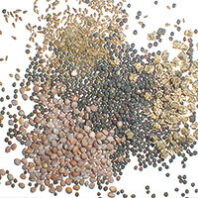
A brave new approach
Regenerative agriculture could enhance farming, the health of people, and the food system. » More ...

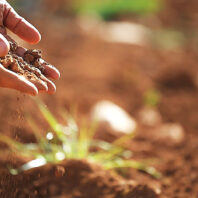

Linda McLean got the idea during the COVID-19 pandemic when she was looking for socially distanced programing opportunities centered around food security and food sovereignty.
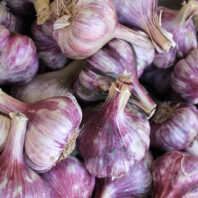
She held her first two Inchelium Red garlic workshops—one drive-thru and one walk-thru—in autumn 2020, giving out bulbs along with tips for planting, growing, and cooking them. There was so much interest in the garlic, known for its mild flavor and reddish color that appears as the bulbs cure, that she made it her mission. Since then, promoting Inchelium Red garlic has become a primary focus.
“The goal is to encourage tribal members to grow Inchelium … » More …
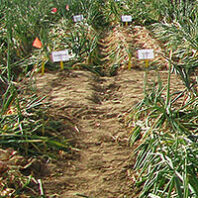
Abundant and essential but risky, yellow storage onions are a challenging, labor-intensive crop for commercial growers in Washington.
Weeding, done in part by hand, is essential to ensure the onions don’t have to compete for nutrients and can fully develop their pungent bulbs.
Thrips, tiny but rapidly reproducing insects that not only feed on onion leaves and other plants but also spread viruses, can reduce photosynthesis and overall production.
There’s not much to be done about the weeding, a necessary chore. But Washington State University researchers are working on behalf of growers to help control viruses, bacteria, fungal pathogens, thrips, and other pests. » More …
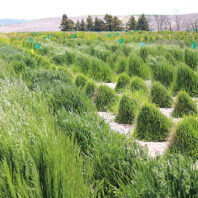
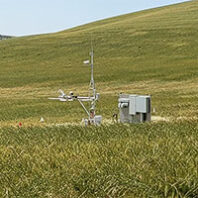
The Cook Agronomy Farm at Washington State University uses smart sensors to prepare for climate change effects on crops, help farmers be more precise and efficient, and study soil on agricultural lands.
Read more about automation and precision agriculture in “Smarter orchards.”