Fall 2026
Our State of the Butterflies
New report shows some butterflies declining, but people can help. » More ...



Specimen No. 4 is a small, translucent jellyfish collected near Keyport on the Olympic Peninsula. Not much else is known about the little marine animal, stored in a glass jar labeled with cursive handwriting, other than the date it was collected: July 30, 1899.
“I thought it was so gorgeous,” says Jessica Tir (’23 MS Biol.) who recently retrieved the long-lost specimen, part of an old marine collection.
Bits and pieces, scattered across Heald, Eastlick, and Abelson halls, were found during preparations for the upcoming demolition of Heald Hall, slated for tear-down during the 2025-2027 biennium. The jellyfish was in the Eastlick batch.
“Someone … » More …

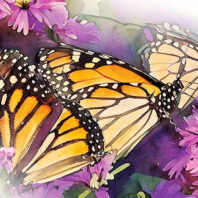
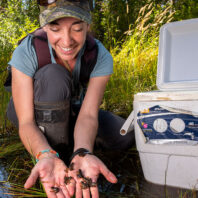
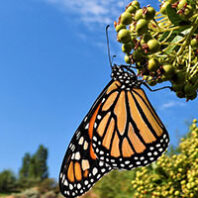
People often ask David James what they can do to help monarch butterflies. “Plant milkweed,” is his response.
Milkweed is a keystone plant, says James, associate professor of entomology at Washington State University who works at the Prosser Irrigated Agricultural Research and Extension Center.
“It’s not just monarchs you are helping by planting it, it’s pollinators generally,” he says. “Bees love it, but so do ladybugs, parasitic wasps, and other beneficial insects. We encourage farmers to leave patches of milkweed near their crops for biological pest control.”
After monarchs were proposed as “threatened” under the Endangered Species Act … » More …