
Summer 2025
Writing the wilds
Rob Phillips wrote about outdoors, hunting, and fishing...and then turned to novels. » More ...


Social media’s effect on political participation and civility
In the nonstop flow of Twitter, Facebook, and other social media, it’s hard to avoid comments and news about politics, especially in a presidential election year. Many worry the geyser of political rhetoric and uncivil comments might discourage some from participating.
That’s not always the case, says Porismita Borah, an assistant professor in the Murrow College of Communication at Washington State University since 2012. As a doctoral student at the University of Wisconsin and at WSU, she researches emerging technology and how it affects politics. She coauthored a study in 2008 that found young people became … » More …
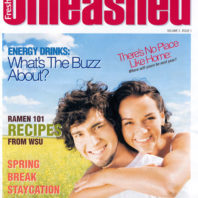
Take a look in the magazine used in a study to increase sexual assault awareness among college students.
» More ...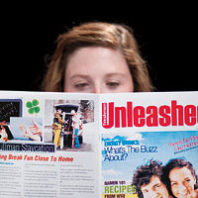
The average teenager will encounter 10,000 to 15,000 sexual references in the media each year. Sex-related scenes appeared on television at a rate of 4.6 per hour in 2005. Unfortunately, most of the sex portrayed in media has little to do with the reality of sexual health, says Stacey J. T. Hust, associate professor at Washington State University’s Edward R. Murrow College of Communication.
In looking at movies, television shows, music, and magazines popular with teens, she and her colleagues “found that less than one-half of one percent of all sexual content is actually health-related content,” says Hust. “They’ll depict a whole lot of sexual … » More …