
The mission of WSU’s Breadlab is to develop better‑tasting, healthier, and affordable bread.
“The work of the Breadlab is inspirational,” said Susan Miller, King Arthur Flour’s director of baking education. “Their commitment to rebuilding regional grain economies through breeding wheat varieties for flavor and nutrition gives us a wonderful opportunity for continued growth and discovery in the field of baking.”
It’s a research station, a bakery, and a school.
But mostly, the Washington State University Breadlab is a movement.
It’s a movement toward healthier, better-tasting, whole-grain foods. Toward environmentally friendly grains that work for local growers. Toward a community-oriented food system.
That last part is key. The Breadlab is focused on keeping value where it’s produced, says Janine Sanguine, outreach and engagement manager. What that means: “If you can develop grain for a region, and farmers grow it in that region, and you can process it in that region, then produce a finished product, that keeps the value there all the way.”
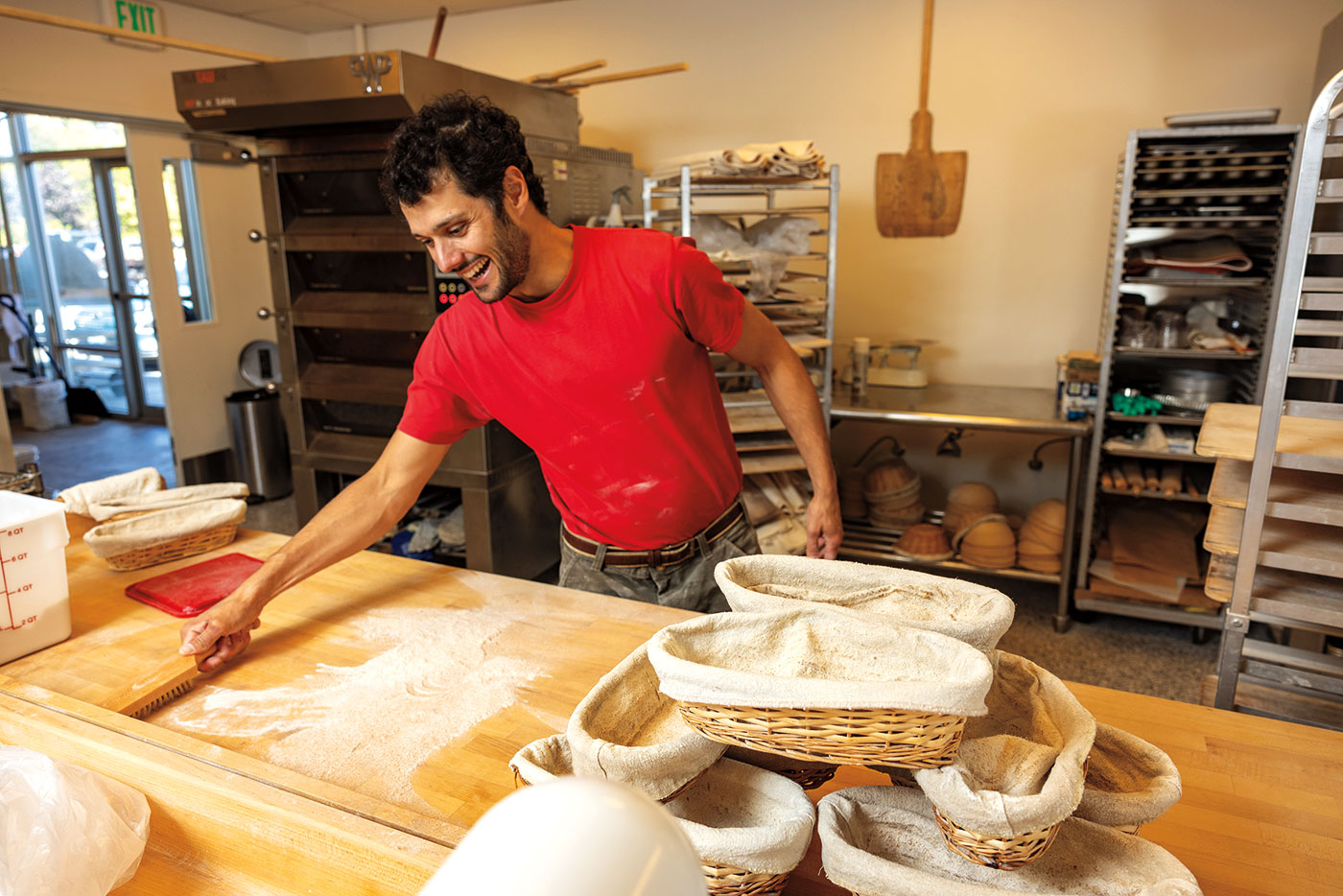 Robin Morgan (’24 PhD Crop Sci.), research associate at the Breadlab and a cook, prepares to make bread loaves. (Photo Matt Hagen)
The basis of the Breadlab’s work is breeding wheat, and also barley and rye. Its handful of faculty and doctoral students generate strains designed to boost yields for growers, and flavor and nutrition for consumers. Stephen Jones, a WSU wheat breeder and professor, founded the Breadlab in 2010 in Burlington.
Jones is internationally recognized for his work breeding and sharing nutritious, high-yielding grains. Named WSU’s first Clif Bar and King Arthur Baking Company Endowed Chair in Organic Grain Breeding and Innovation in 2018, he continues to work in research, germplasm commercialization, and policy at the lab.
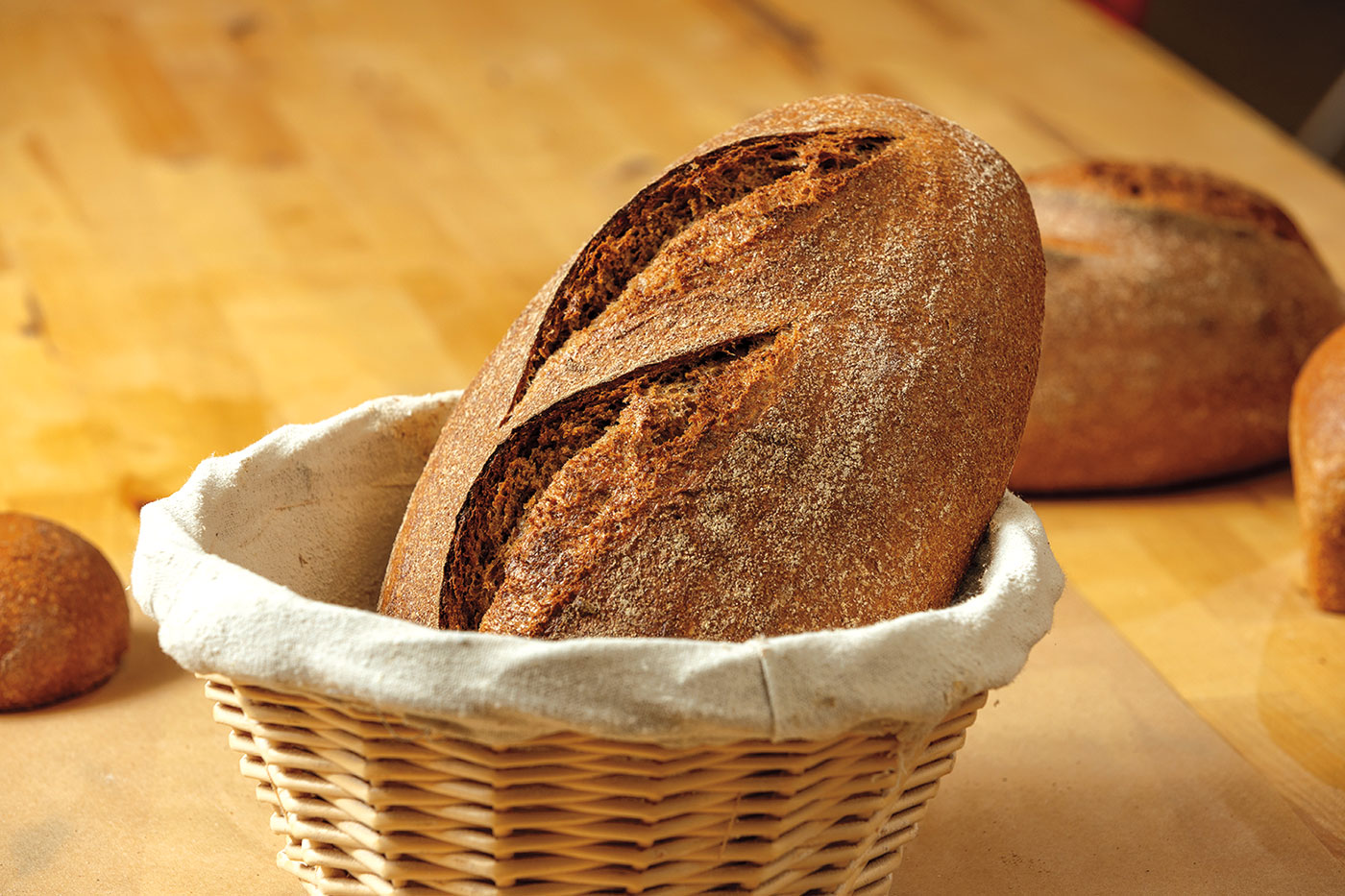 Photo Matt Hagen
Meanwhile, crop scientist Kevin Murphy (’04 MS, ’07 PhD Crop Sci.) stepped into the endowed chair and Breadlab director roles in July. “Organic agriculture, seed and food systems, and plant breeding are my lifelong pursuits,” he says.
For Murphy, taking the helm of the Breadlab is a natural move. With 15 years of collaboration with farmers and organizations in western Washington, he joined Jones’s wheat breeding team as a doctoral student and helped establish WSU’s organic wheat breeding program. He joined the WSU faculty in 2009 and began breeding spelt, buckwheat, and quinoa before moving to organic quinoa and later, barley and organic hops.
Murphy launched WSU’s Sustainable Seed Systems Lab in 2016, and currently leads a $3.3 million research project breeding improved organic buckwheat. He is also lead investigator on Soil to Society, a $10 million, WSU-led effort to create more nutritious, affordable, and accessible whole-grain-based foods, funded by the USDA Agriculture and Food Research Initiative.
Back in Burlington, Murphy, Jones, and the other Breadlab researchers work with farmers, chefs, bakers, and distillers to develop and use hardy and nutritionally dense crops that enrich the soil, improve local grain economies, and provide more flavorful and valuable flour for breads, craft beers, whiskey, and other grain-based products.
King Arthur Baking Company recently introduced a new product, Climate Blend flour, that features three wheat varieties developed at the Breadlab.
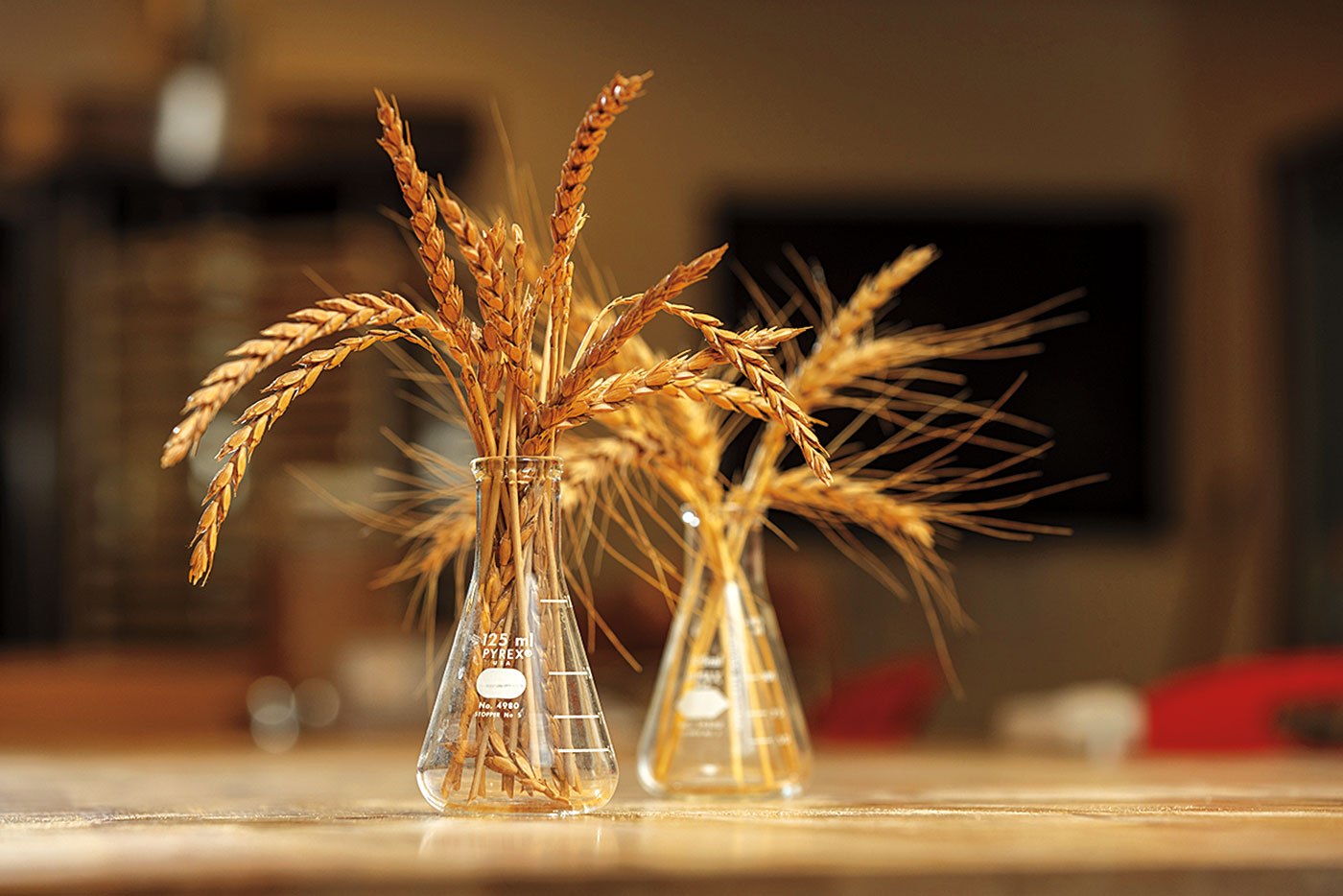 Photo Matt Hagen
In conjunction with grain development, the Breadlab serves as an engine of whole-grain advocacy, earning it national and international acclaim.
It does that through the Breadlab Collective, a group of bakers, millers, plant breeders, teachers, and students in 27 states and seven countries. The collective’s members all share a dedication to “the approachable loaf,” which must be at least 60 percent whole wheat, contain no more than seven ingredients, and be baked in a loaf pan and sliced.
Unlike big, crusty, unsliced breads one might associate with a small bakery, the approachable loaf is, well, more approachable.
At the same time, it’s a good-tasting, good-for-you local product.
And that’s the ultimate goal.
The Breadlab doesn’t envision or even want to achieve massive scale, Sanguine says.
“We just believe in supporting the farmers in your area, supporting the bakers in your area. That’s our mission,” she says.
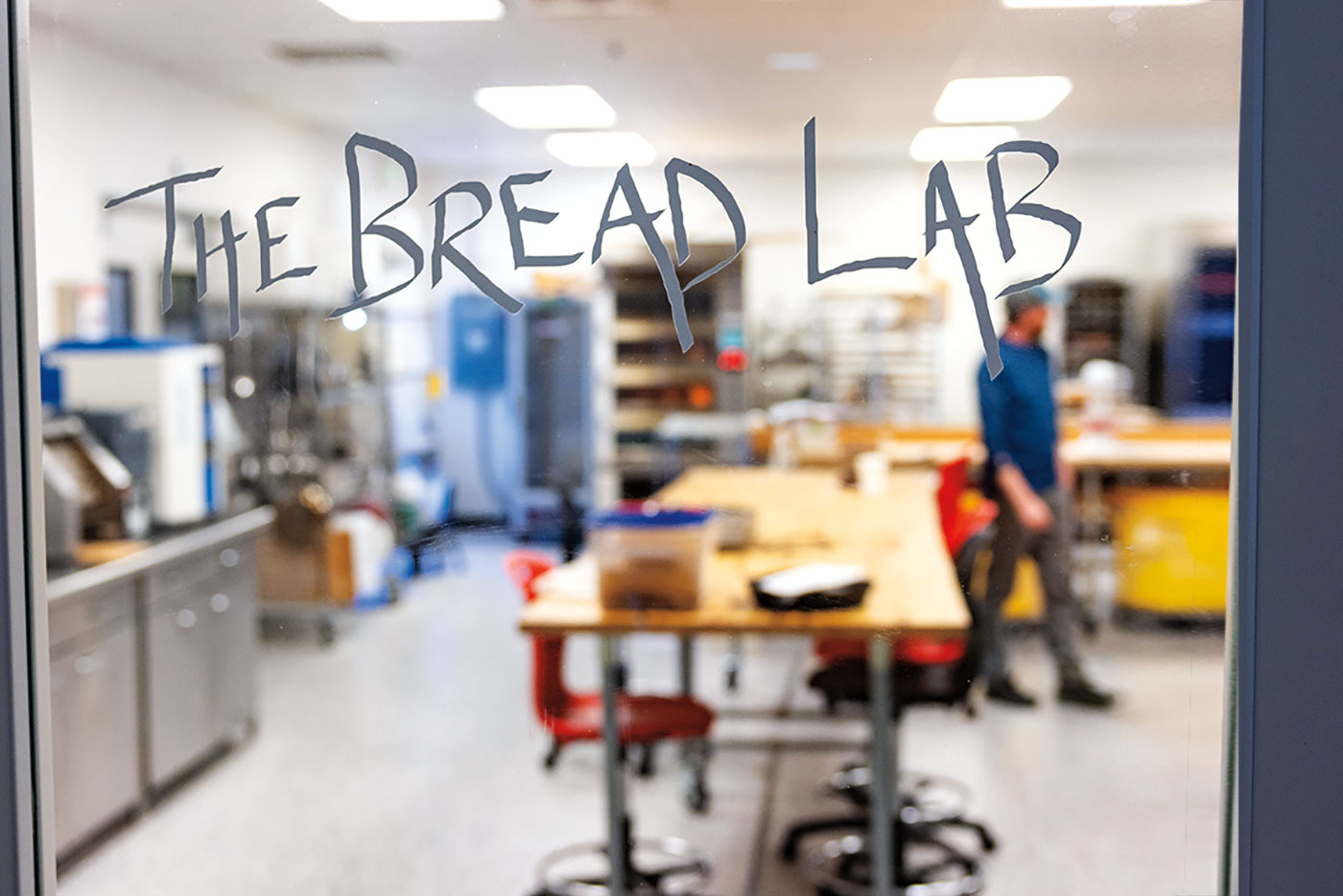 Photo Matt Hagen
Learn more
Video about the Breadlab: Go Cougs Means Leading the Movement
Can better bread be a climate change solution? These bakers think so
(NPR, September 10, 2024)
From the archives
Review of Bread Lab! (Children’s book about the Breadlab, Spring 2020)
Billions to be served (Summer 2015)