
Bob Orr, the first coach of Cougar Crew, died February 21, 2025. The retired Vancouver, Washington, teacher, principal, and girls fast-pitch coach was 87.
A former oarsman for the University of Washington, Robert Stewart Orr Jr. (’73 PhD Elem. Ed.) moved to Pullman in 1971 to pursue a doctoral degree. The WSU Rowing Club, which became Cougar Crew, was formed during the 1970–1971 school year.
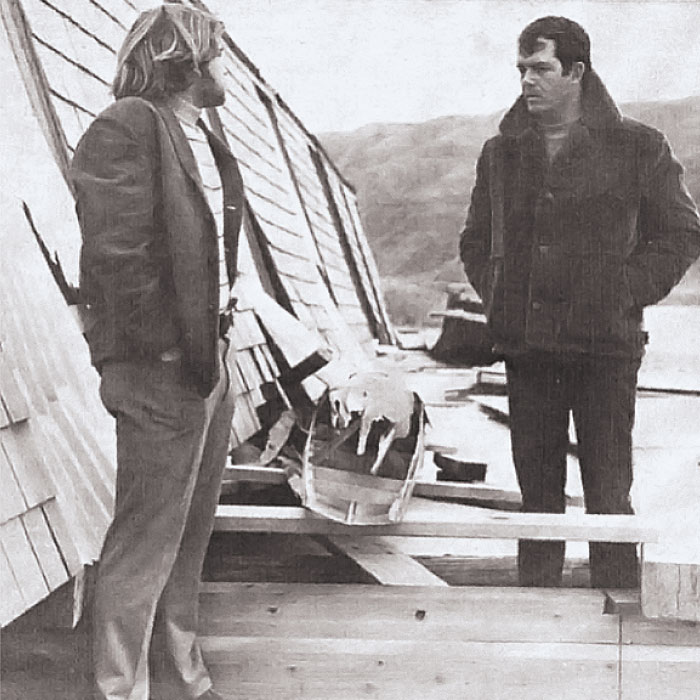
“They’d gotten a bunch of young men together who wanted to sit on their behinds and go backwards,” Orr told Washington State Magazine in 2019. “They’d never rowed a stroke in their lives.”
Orr was 34 when he told rowing club advisor Ken Abbey that he wanted to be involved with the fledgling crew. “What I said was ‘I’d be happy to help,’” Orr recalled. “He said, ‘OK, you’re the coach.’”
He was the coach on Black Thursday, when a storm came up fast and swamped three Cougar Crew boats: Loyal Shoudy, Titanic, and Tyee. Loyal Shoudy and Tyee sank that day, April 5, 1973.
He was also the coach a year earlier, on April 15, 1972, when one shell, Red Baron, hit bridge pilings, broke up, and sent crew members over the starboard side. Orr recalled yelling to his crew, “‘Is there anybody that can’t swim?’ That was my first concern.”
The disastrous day yielded one of Alan “Mike” Klier’s favorite memories of Orr. “Having determined that everyone could swim, he told those clinging to wreckage in the frigid Snake to ‘Save the oars!’”
Says Klier (’75 Physics), “Bob was the source of many memorable quotes. He would frequently gaze out upon deplorable conditions at Almota, as if carefully pondering circumstances, then turn to those of us foolish enough to be present and exclaim, ‘It’s row-able water!’ It was never not row-able.”
Orr served two years as the volunteer crew coach, made the program a varsity boat club, started the Pull Hard newsletter, launched two-a-day practices during spring break, and instigated the crew’s commodore-based governance system. He held the first Class Day Races too.
Klier says, “His finest moment, and a comment I think that was original to his own creativity, spoke to a contemplative aspect of his character that was not frequently revealed: ‘You can learn a lot about life at the end of an oar.’”
More on Bob Orr and other Cougar Crew coaches and members.