
Ryan Wagner was in elementary school when he watched a video about the chytrid fungus at the Cleveland Metroparks Zoo. “As a child, I was horrified to hear that amphibians all over the world were going extinct,” he says. “I told my parents I wanted to do something about that.”
That early interest led Wagner to Washington State University Vancouver, where he’s a doctoral student in Associate Professor Jonah Piovia-Scott’s wildlife disease ecology laboratory.
Chytrid is a generalist fungus that attacks amphibians’ skin. “Their skin is a really sensitive and important organ that’s used to exchange electrolytes, water, and oxygen,” Wagner says. Chytrid infection can cause cardiac arrest in amphibians because it disrupts their electrolyte balance.
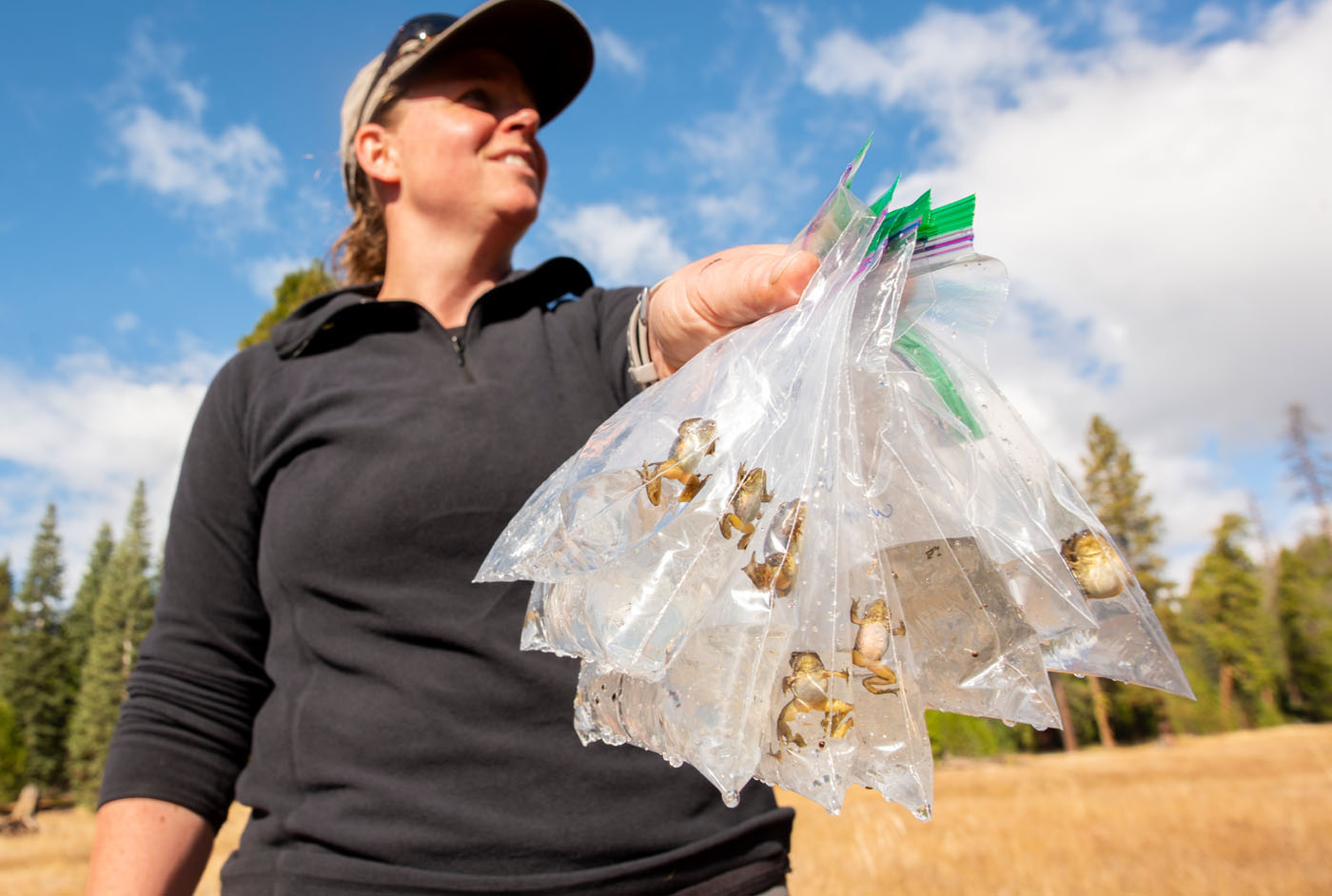
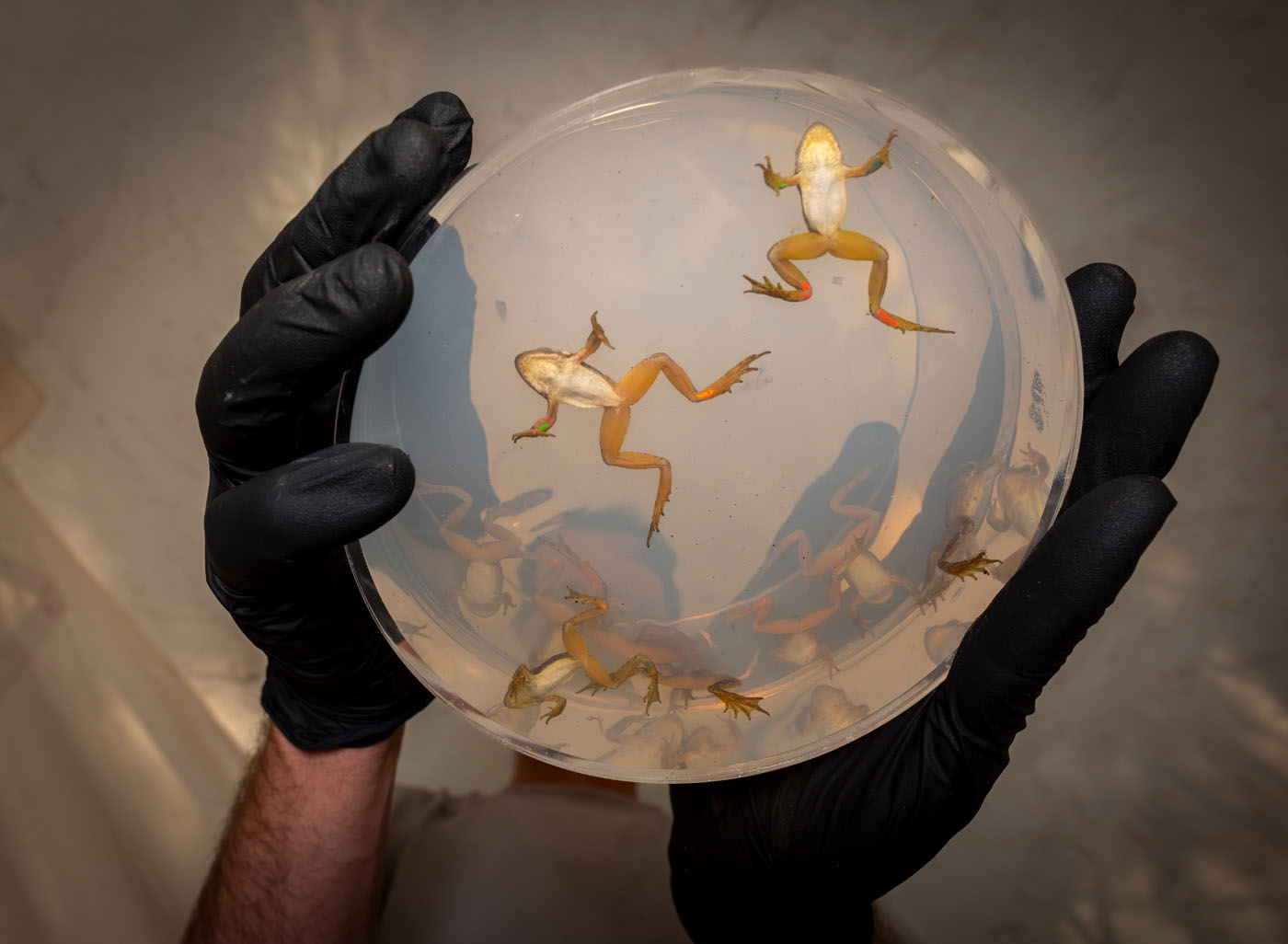
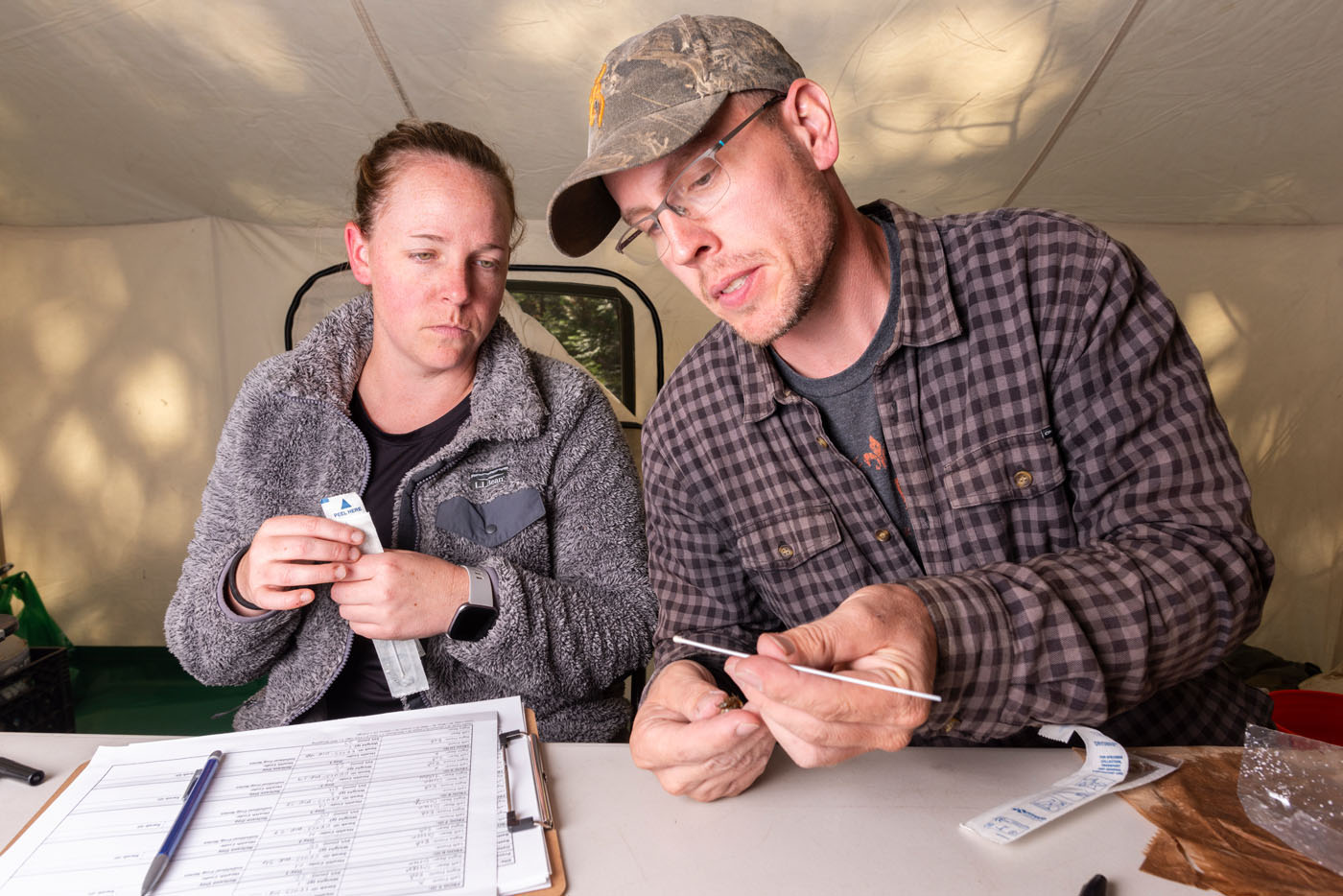
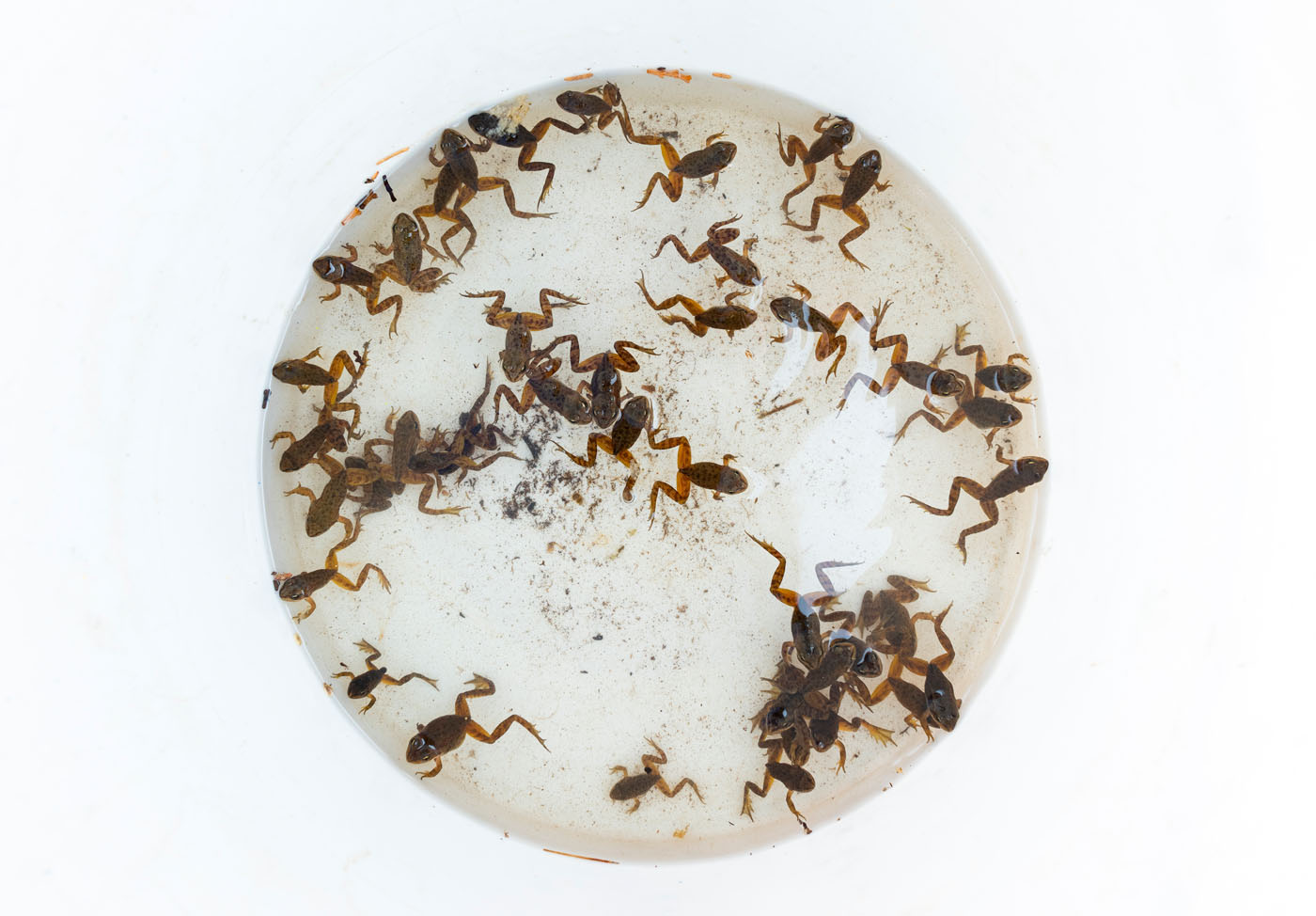
Wagner photographed field work in Cascades frog populations in Northern California. Bathing young frogs in a diluted fungicide increases their survival rates, with the expectation that over time amphibian species will develop greater immunity to chytrid.
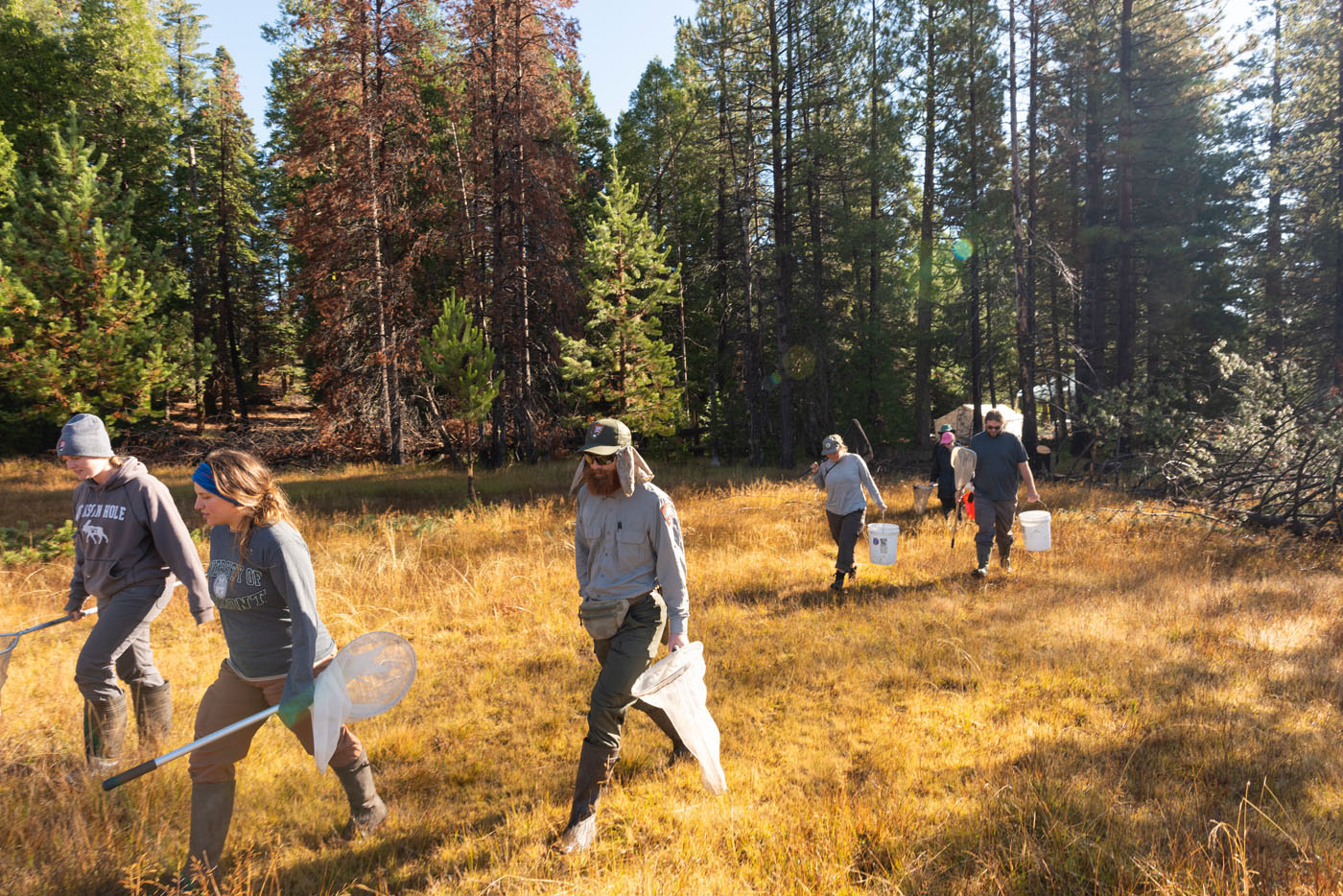
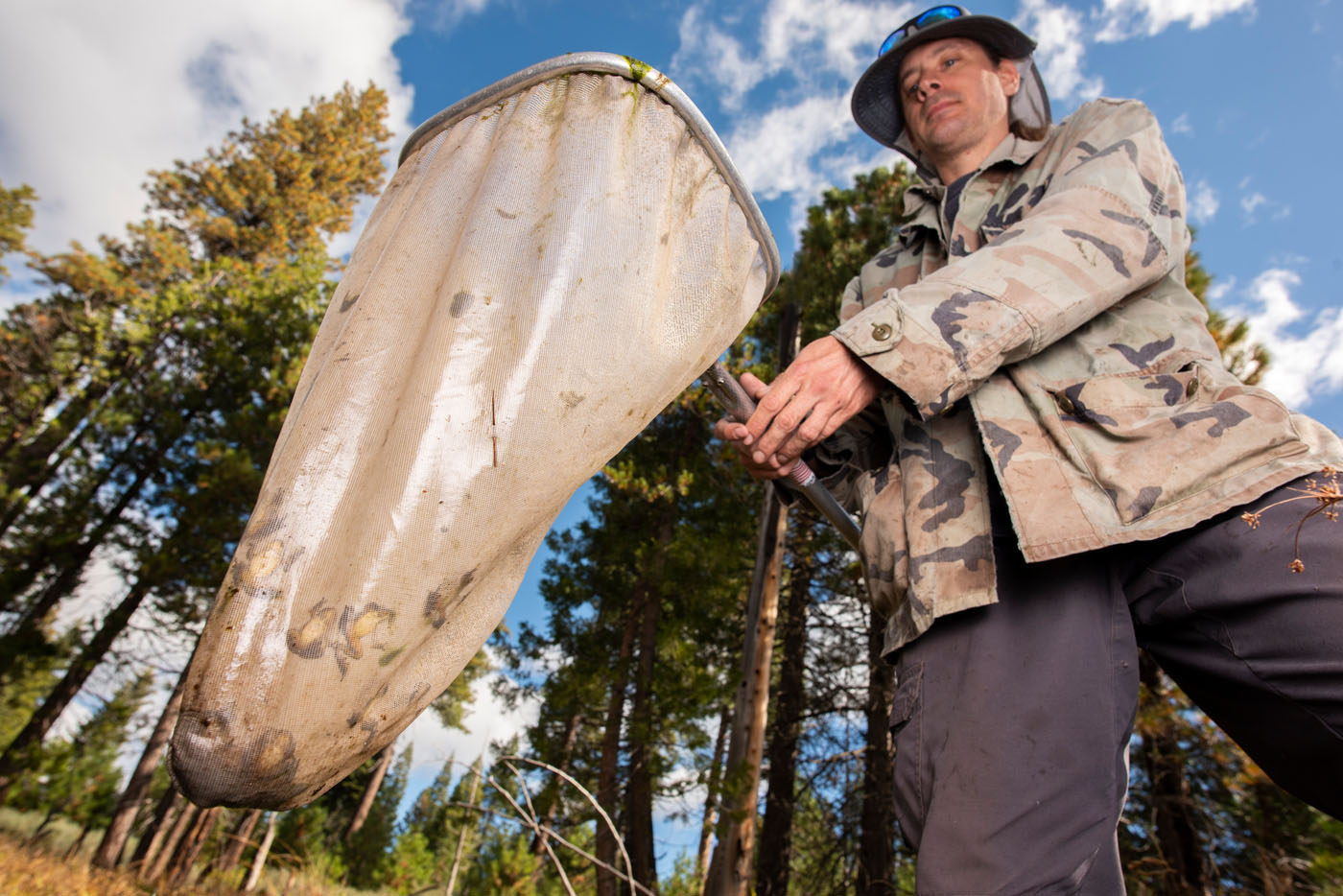
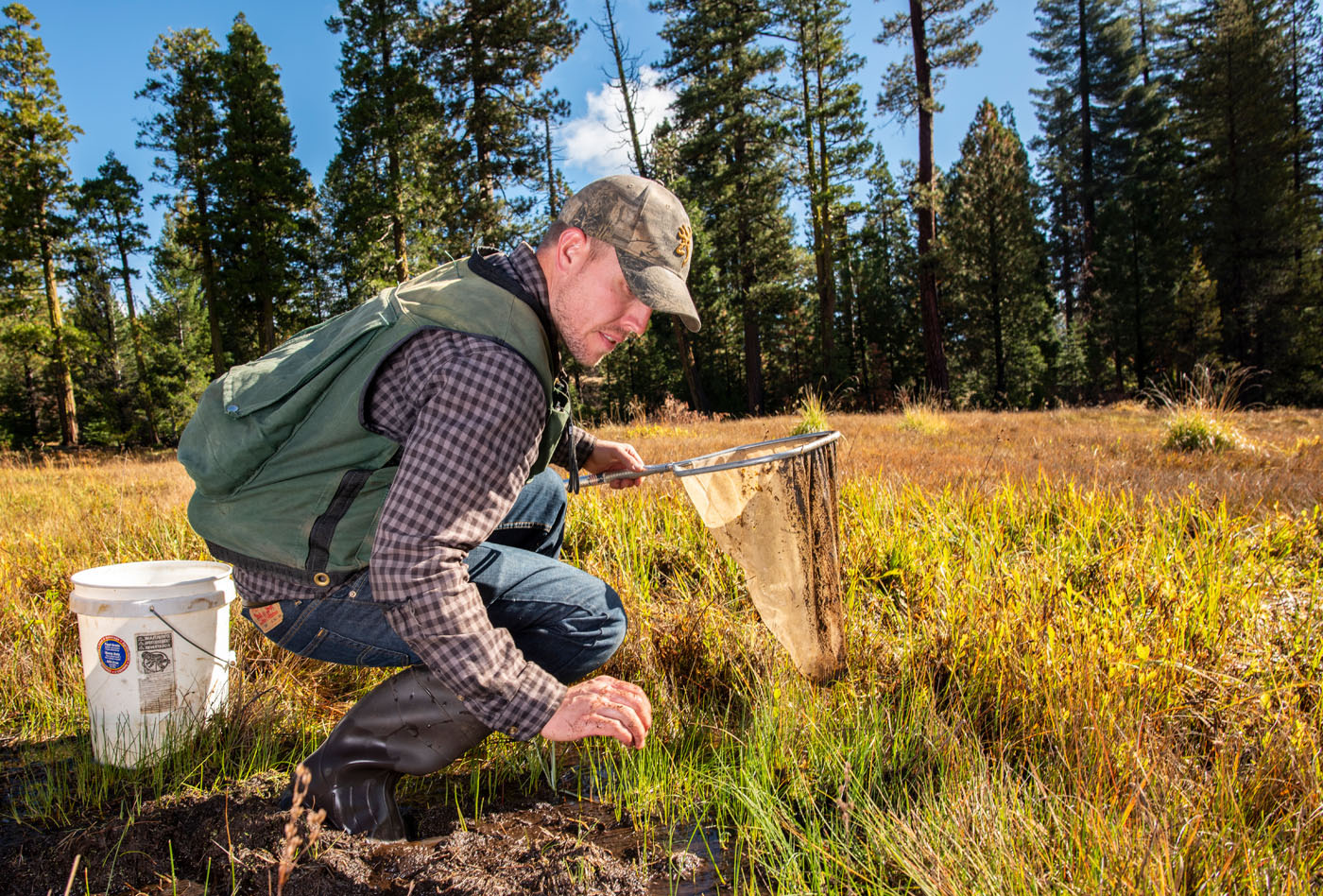
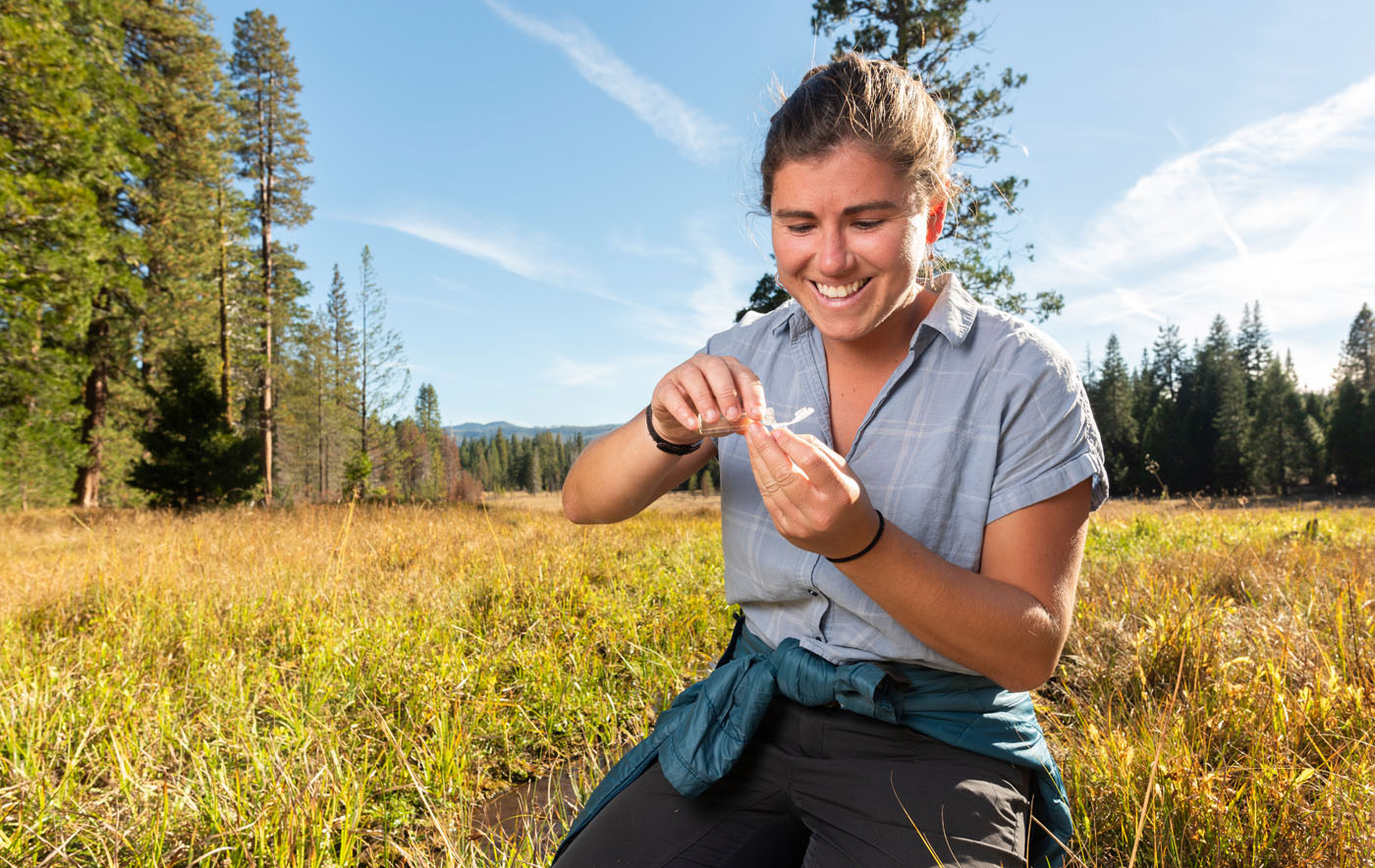
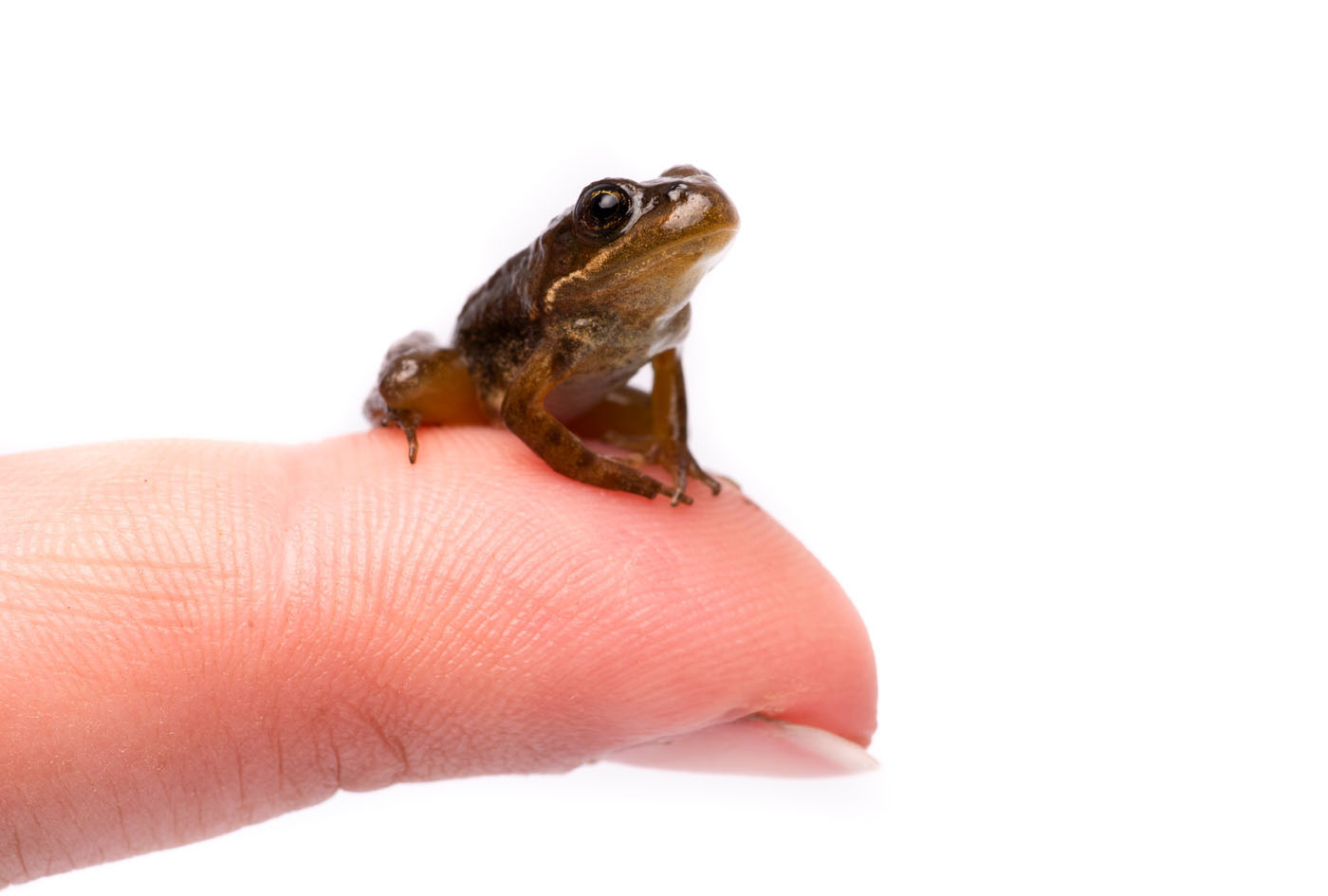
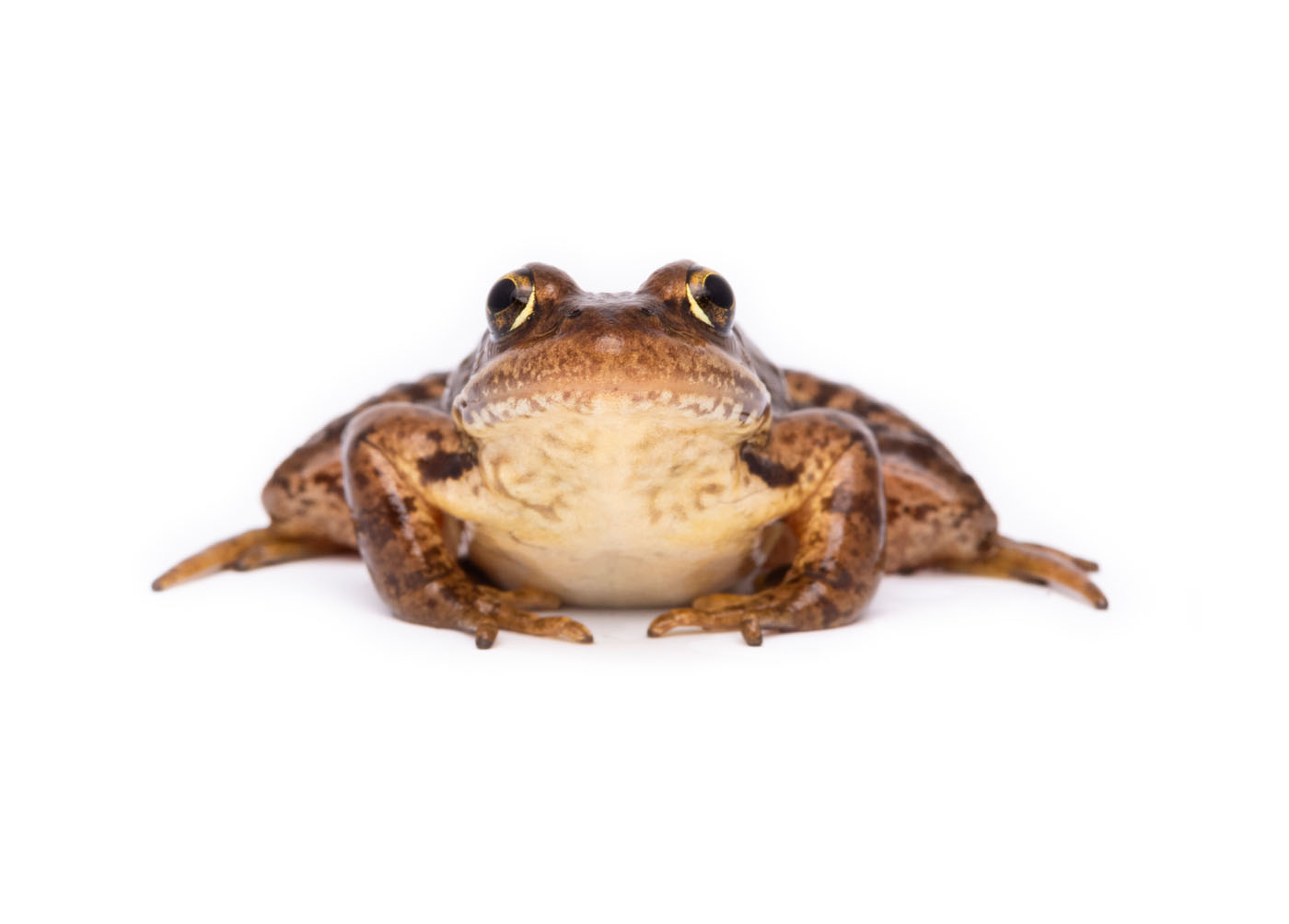
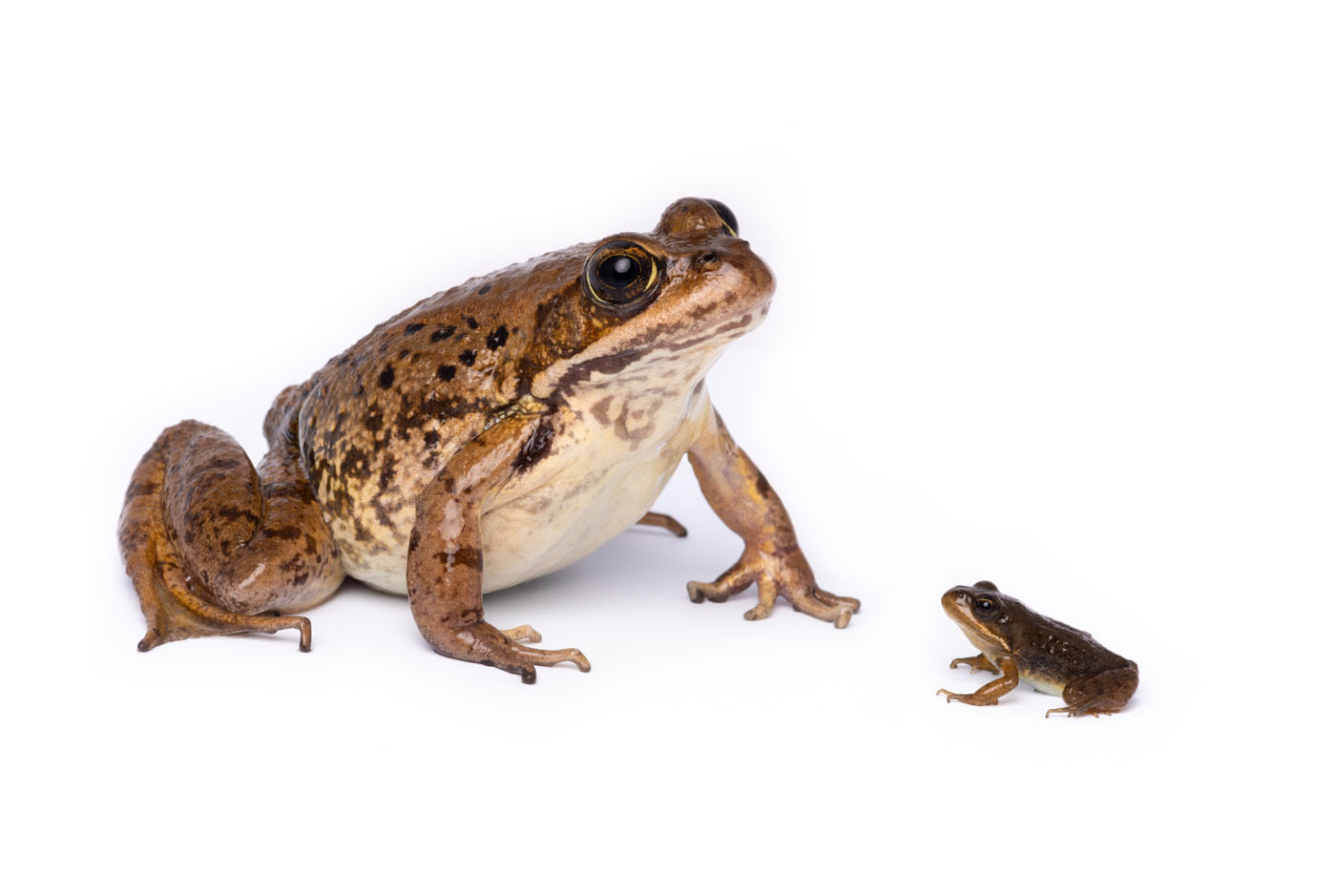
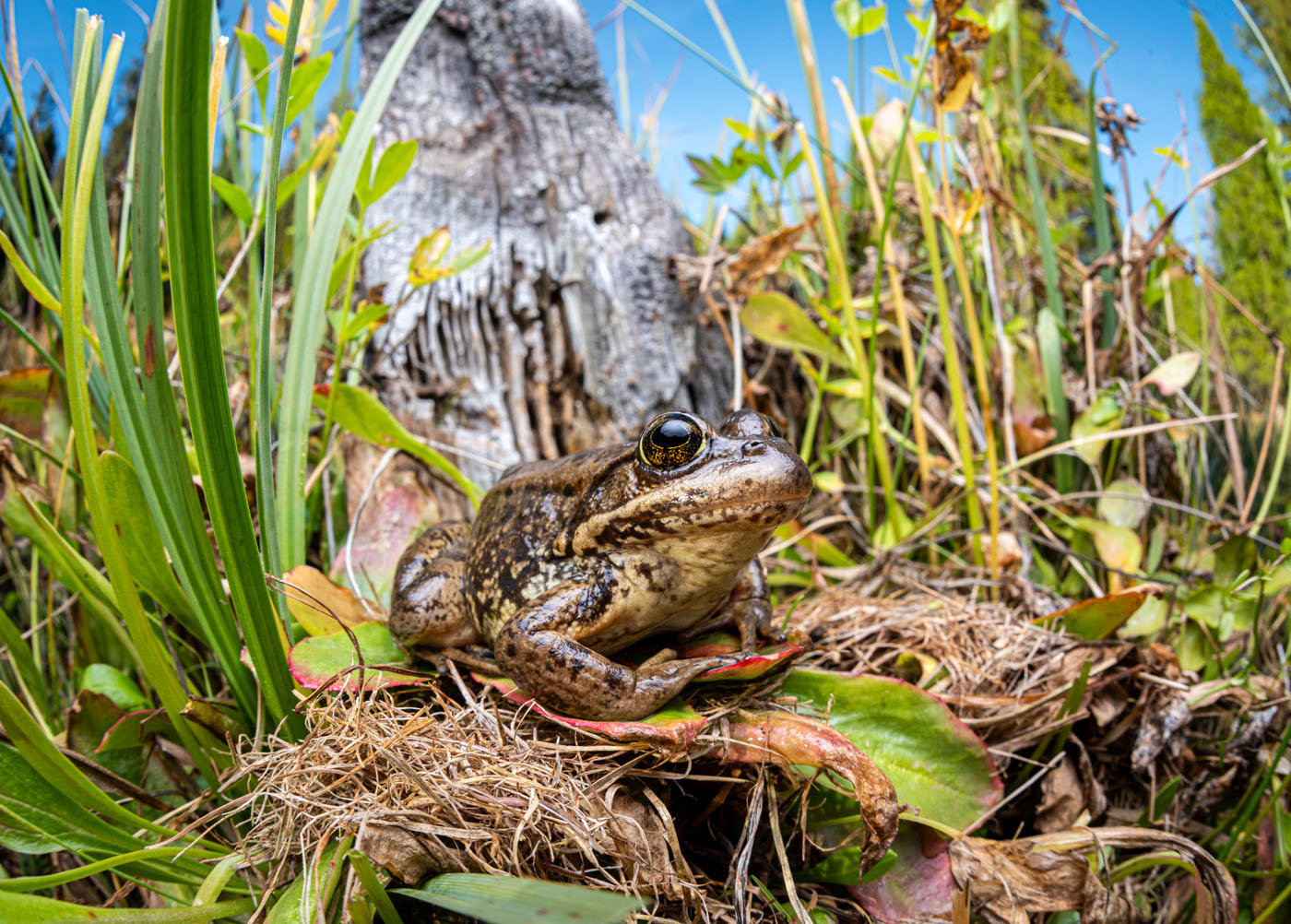
Click on images for larger view
Ryan Wagner’s photography has appeared in BBC Wildlife, National Wildlife, and Wild Ohio magazines. He has won several awards from Nature, American Institute of Biological Sciences, NANPA, and British Ecological Society.
Read the story “Scientific exposures.”