
Coho salmon in urban areas were dying from stormwater runoff, but scientists didn’t know why until a few years ago.
A team of researchers from Washington State University and University of Washington identified 6PPD and 6PPD-quinone as the culprits. Tires contain 6PPD, which keeps the rubber from cracking after exposure to ozone in the atmosphere. But 6PPD also reacts with ozone, forming the organic chemical 6PPD-quinone.
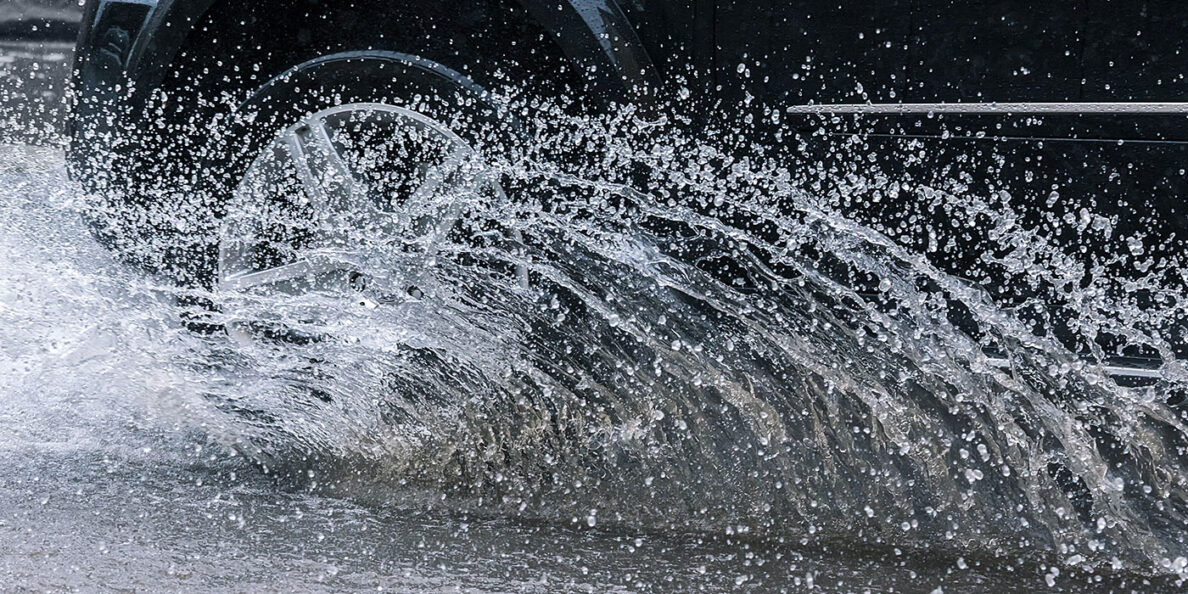
During rainstorms, tire dust washes into rivers and streams, where 6PPD-quinone is lethal to juvenile and adult coho at extremely small doses. It’s a complex issue—with no easy fix.
“Without 6PPD, tires would not meet the federal government’s safety standards; it’s an integral part of how tires perform,” says Caitlin Lawrence, a master’s student in aquatic toxicology at the WSU School of the Environment.
For the past two years, Lawrence has been testing five different alternatives to 6PPD/6PPD-quinone to determine whether they are less toxic to juvenile coho. The list of alternatives was developed by the state Department of Ecology and the tire and chemical industries.
“For nearly every alternate chemical suggested, there is no toxicity data for aquatic species,” Lawrence says. “My research aims to help fill in some of the data gaps.”
At the Miller Creek field lab near Seattle-Tacoma International Airport, Nathan Ivy is researching the real-time impacts of how spring rainstorms carry contaminants such as 6PPD-quinone into the salmon-bearing creek.
Researchers observed mortality rates of up to 80 percent in juvenile coho exposed to unfiltered stormwater during three representative storms, says Ivy, who is also earning a master’s degree in aquatic toxicology.
“Understanding the timing and intensity of these contaminant pulses helps us predict when streams are most likely to contain dangerous levels of toxins,” he says. “This knowledge is crucial for hatcheries to avoid releasing fish into environments with heightened risk.”
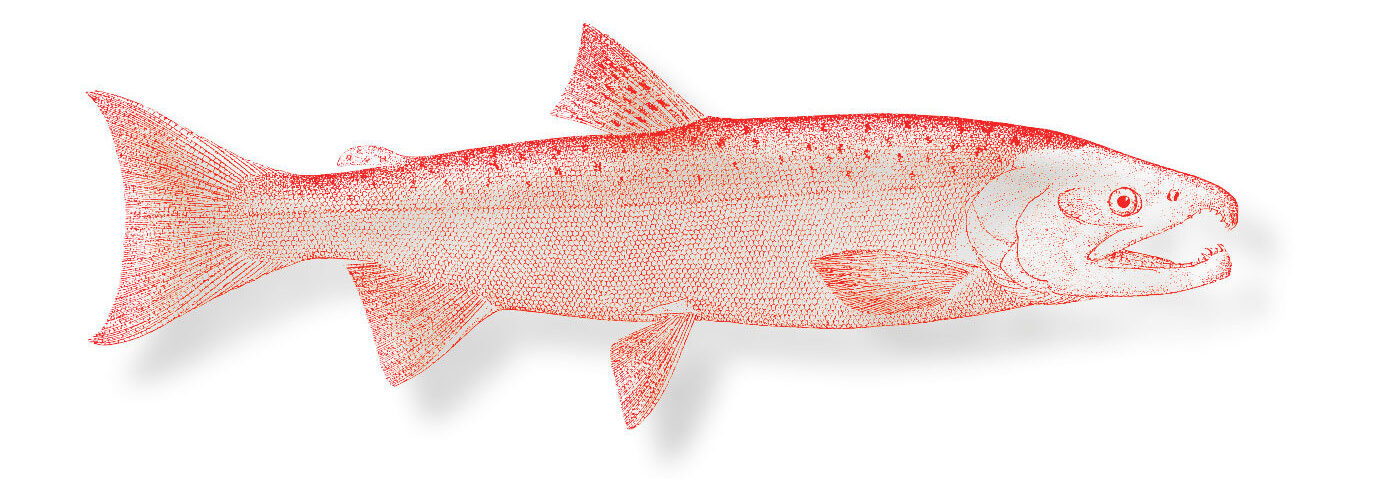 Illustration Adobe Stock
Podcast
Listen to Lawrence and Ivy discuss their research on tires and coho on the Washington State Magazine podcast.