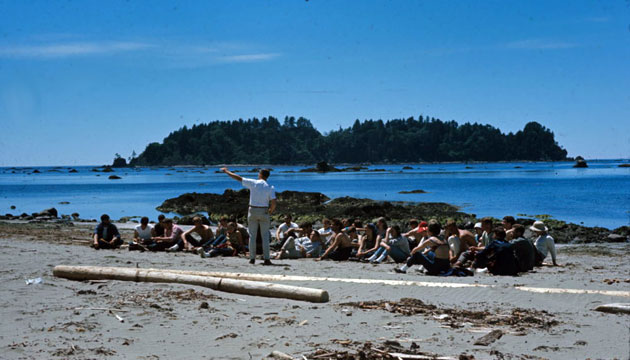
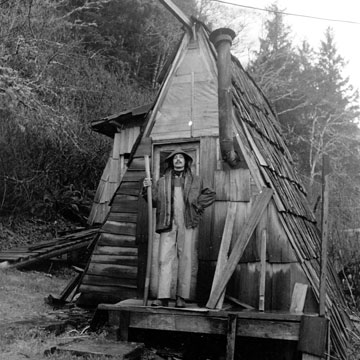
Richard Daugherty addresses field school participants at Ozette.
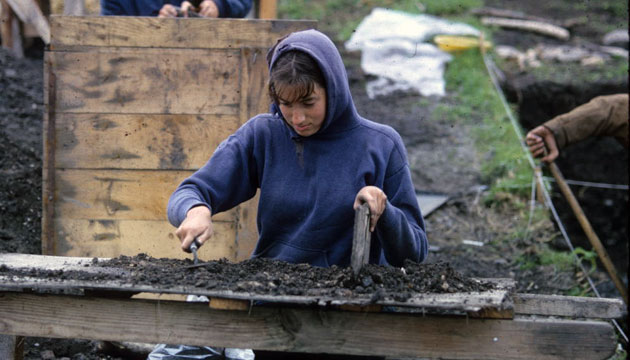
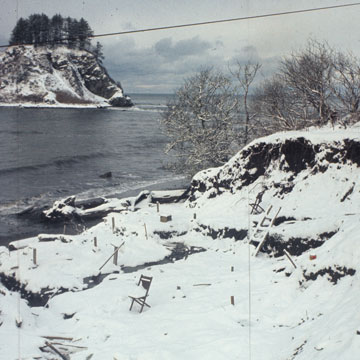
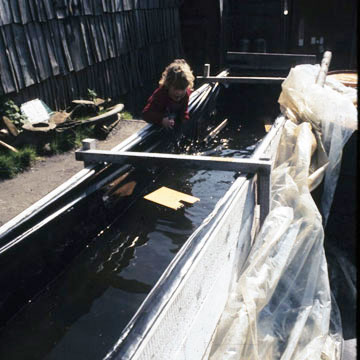
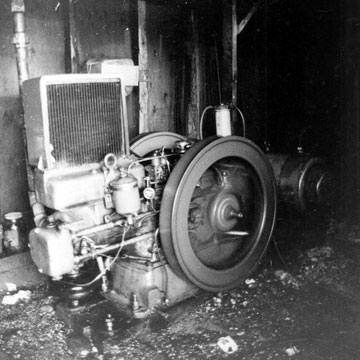
The archaeological crew constructed a holding pond, which would fill up each high tide. They pumped water from the pond for the hydraulic excavation.
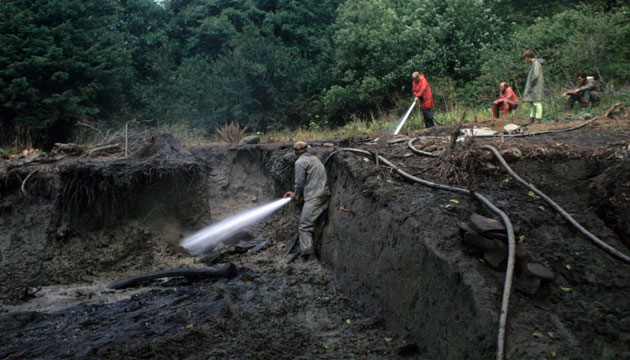
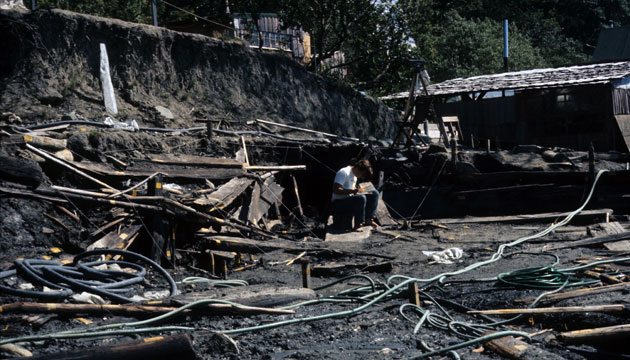
With pressurized water, archaeologists slowly and carefully cleaned the landslide away from the buried houses.
With pressurized water, archaeologists slowly and carefully cleaned the landslide away from the buried houses.
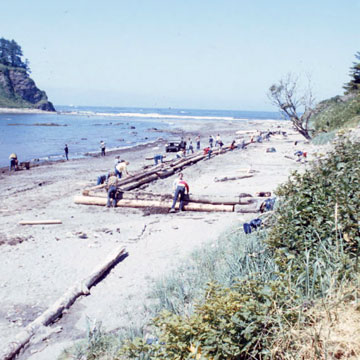
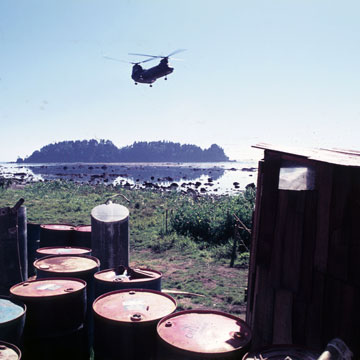
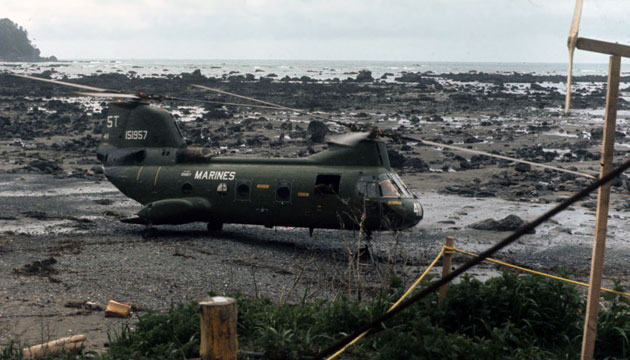
National Guard helicopters hauled equipment in to the Ozette dig, which was inaccessible by road.
National Guard helicopters hauled equipment in to the Ozette dig, which was inaccessible by road.
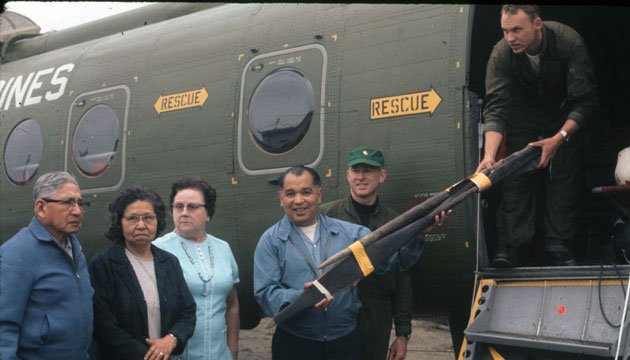
The National Guard also carried excavated artifacts to Neah Bay for preservation and storage.
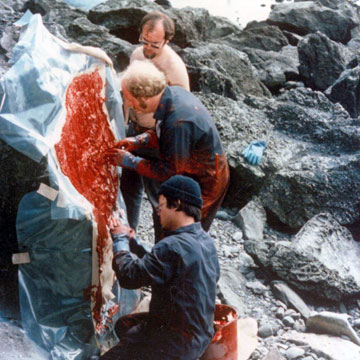
The archaeological crew took a cast of petroglyphs down the beach from Ozette.
Excavation at Ozette continued year round, with a crew of 10 or so during the winter.
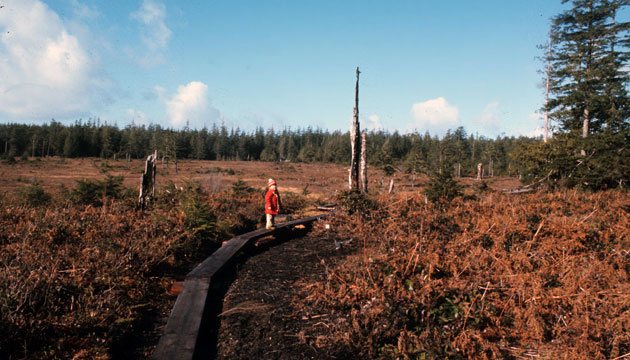
The hike into Ozette is nearly four miles.
Eventually, a boardwalk was constructed for nearly the entire distance to protect the various habitats from the steady stream of visitors to the site.
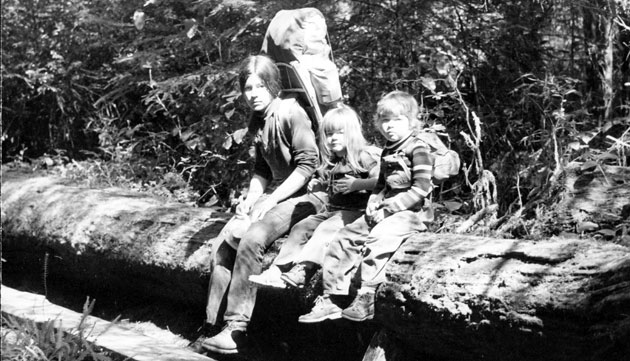
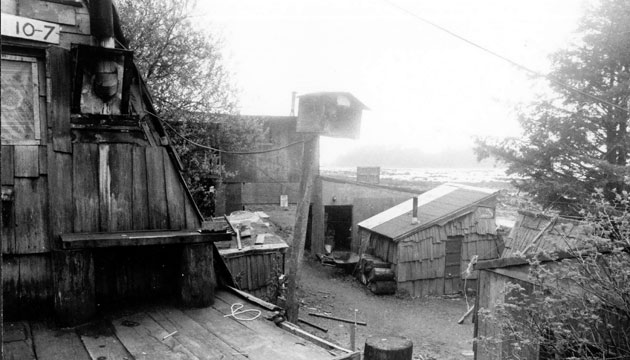
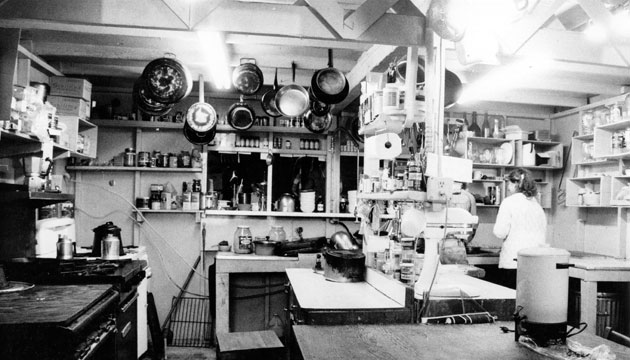
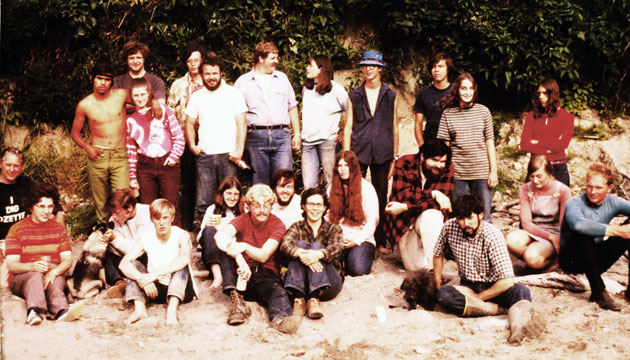
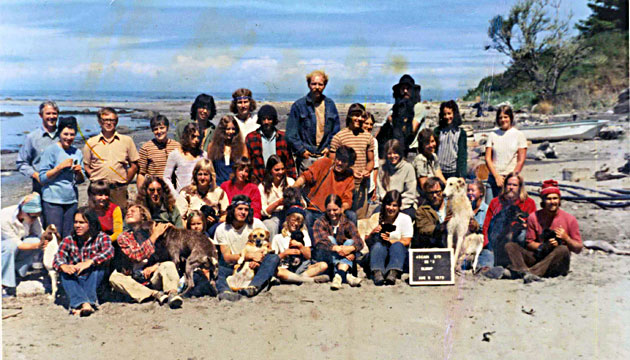
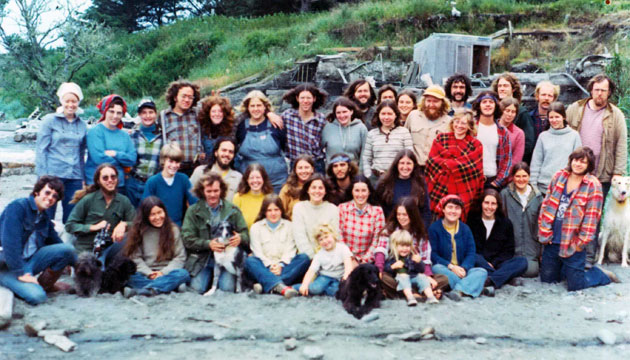
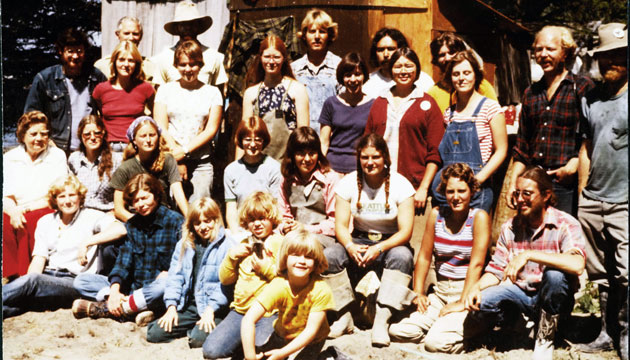
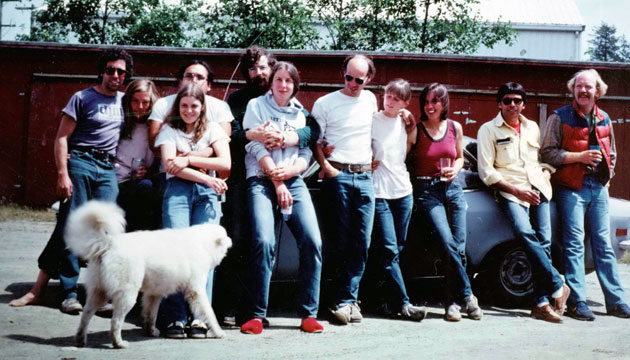
A sociological phenomenon in its own right, a village, including families and children, grew up around the excavation.
A sociological phenomenon in its own right, a village, including families and children, grew up around the excavation.
A sociological phenomenon in its own right, a village grew up around the excavation.
A sociological phenomenon in its own right, a village grew up around the excavation.
A sociological phenomenon in its own right, a village grew up around the excavation.
A sociological phenomenon in its own right, a village grew up around the excavation.
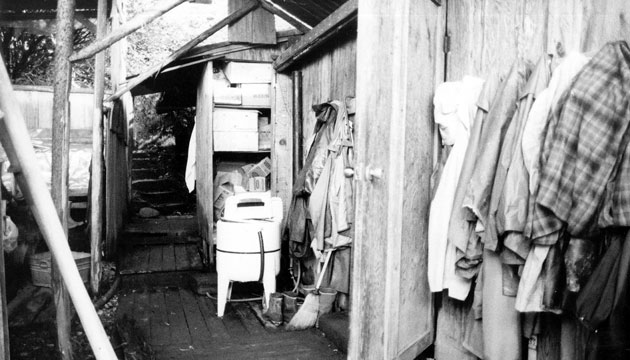
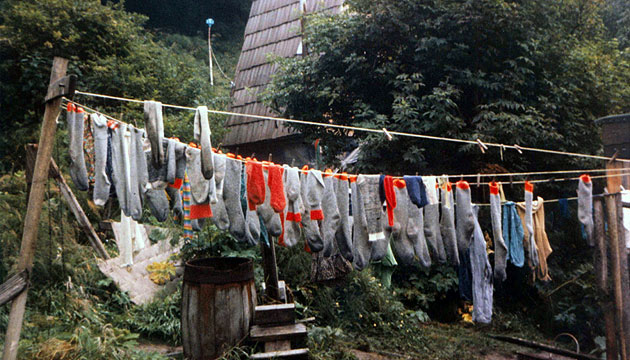
Dry socks were in constant demand.
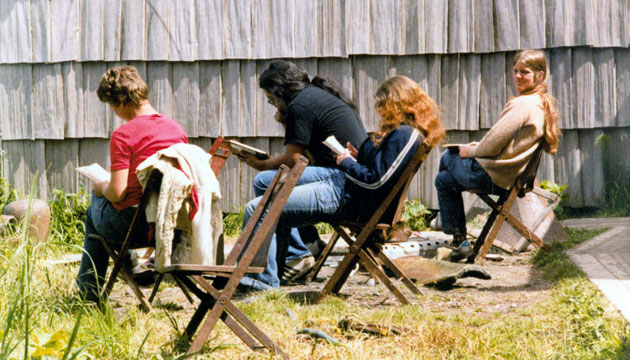
The Ozette Book Club on a fine afternoon.
Once the excavation was finished, the village was either hauled away or destroyed and the excavation itself sealed and buried, the remainder to wait for future archaeologists and new ideas and techniques.
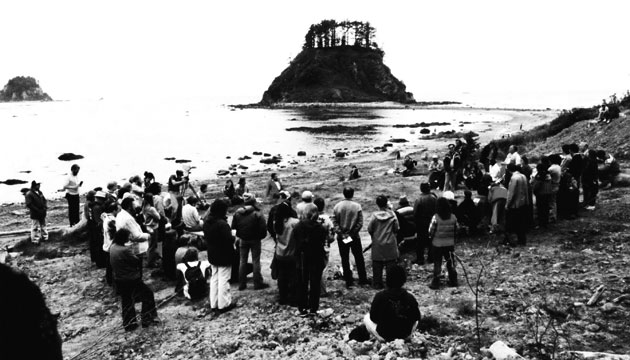
Makahs and archaeologists gathered for a closing ceremony and a memorial for Ozette ancestors who had been buried by the landslide.
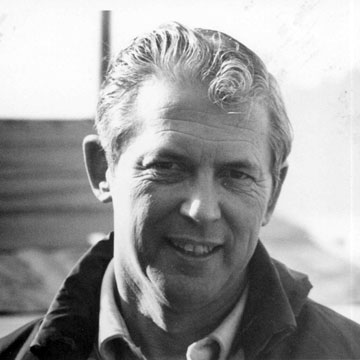
Archaeologist and Ozette project director Richard Daugherty