
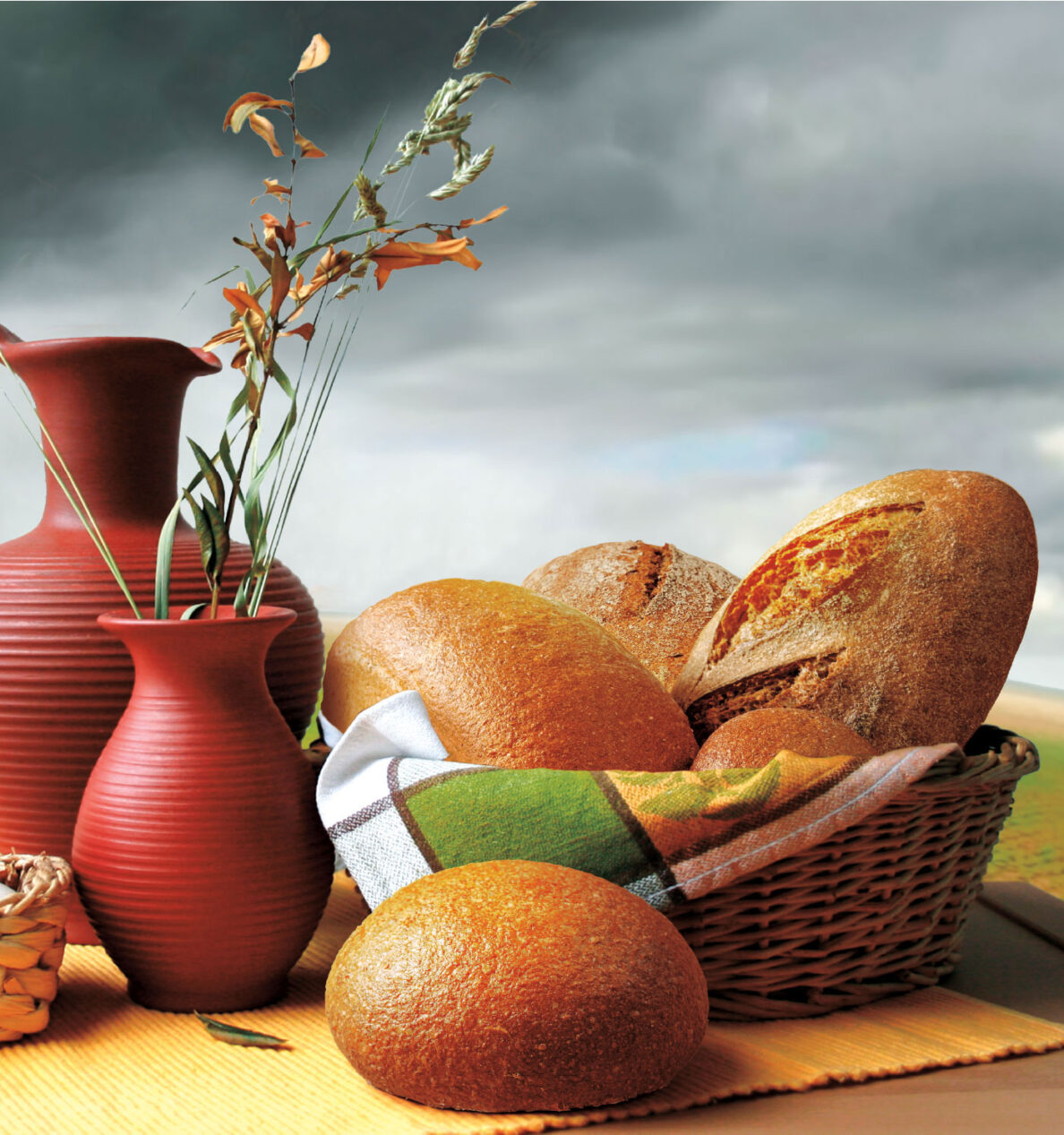
Food’s role in how we connect to people and place goes beyond mere survival. We must eat—and food security should be a right—but there’s a deeper meaning for all of us. One of my favorite travel and food writers, the late Anthony Bourdain, said, “I think food, culture, people, and landscape are all absolutely inseparable.”
Washington State University’s Breadlab embodies that idea. The researchers, chefs, and others advocate for local grains, create delicious and nutritious breads and other baked goods, and spark a movement for better foods tied to particular places.
Wholesome foods should be available to everyone, so WSU Extension educators have worked with communities on nutritious foods and recipes for families who receive food benefits. Extension strives to make sure those recipes are culturally relevant, too, from traditional North American fare, including soul food, to Asian and Mexican cuisines.
Of course, food traditions go back to the beginnings of humanity. As you’ll read in this issue, Native Americans across the state and country have been working to bring back Indigenous First Foods, suppressed for many years, with support from WSU alumni and staff.
On WSU and other university campuses, many students also need better access to food. A recent sobering survey revealed that one in three college students in Washington state experiences food insecurity.
That’s one reason that WSU chose the 2021 book How the Other Half Eats: The Untold Story of Food and Inequality in America for the Common Reading Program. First-year students receive a copy, and it’s the basis for academic discussions and other activities to engage WSU students, faculty, staff, and community members all year.
Bourdain also wrote that “good food is very often, even most often, simple food.” It’s hard to think of a more essential base in many cuisines than onions. They are a simple food that add so much complexity to the dishes that connect us to community.
Readers, please note that the magazine’s print distribution has changed for the Winter and Spring issues. Read the details on how to continue receiving all issues of the magazine. If you donated $10 or more to WSU within two years, you receive the Winter and Spring issues in your mailbox. The Summer issue goes to WSUAA members and paid subscribers. As always, all magazine issues and stories (plus extra videos and more) are available on our website.